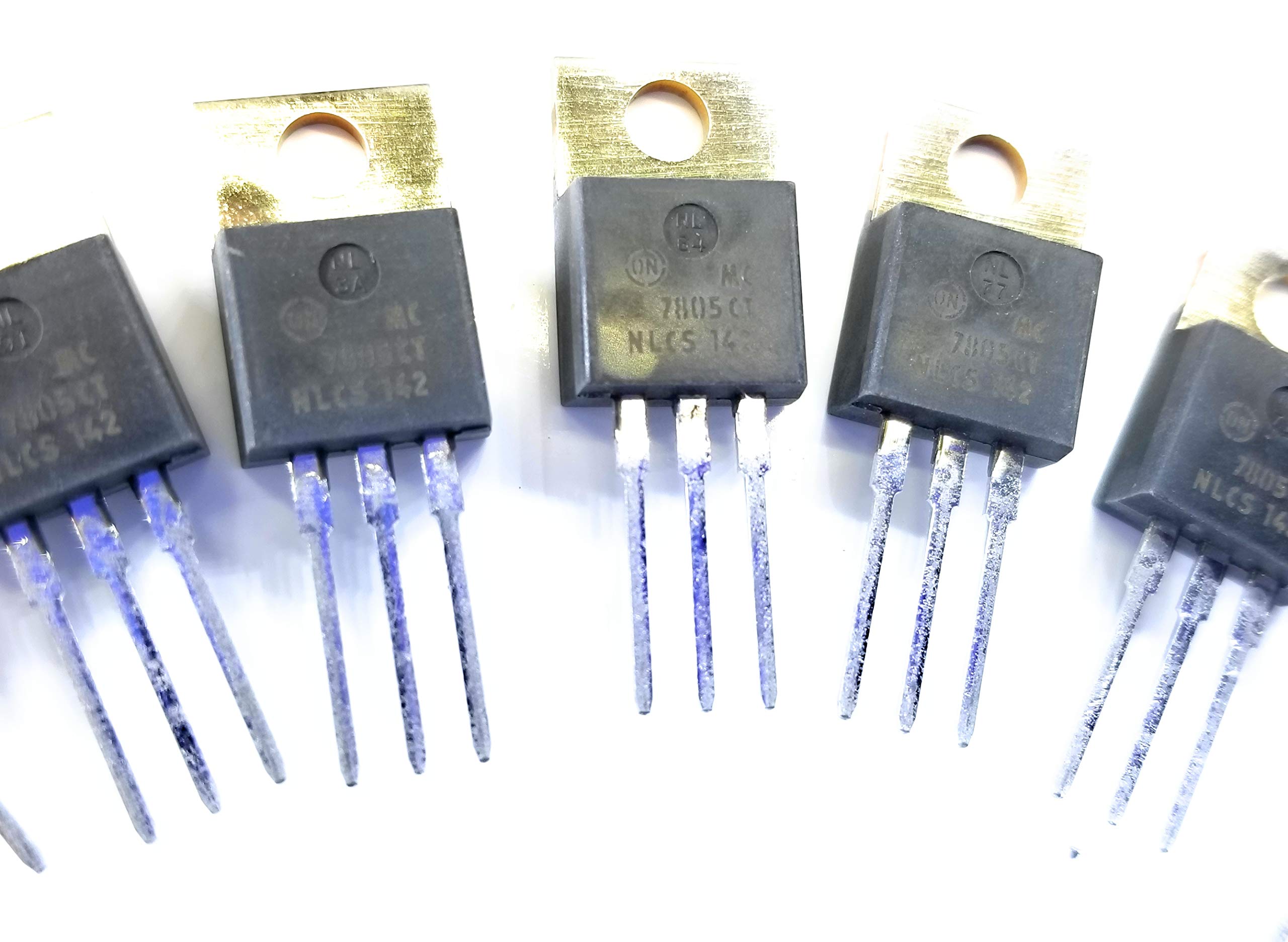
Image Source: Google
Linear regulators are indispensable components in printed circuit board (PCB) design. They play a crucial role in ensuring stable and regulated voltage levels for electronic devices, making them essential for the proper functioning of a circuit. Understanding the basics of linear regulators can significantly impact the performance and reliability of your PCB design.
Understanding Linear Regulators
What are Linear Regulators?
Linear regulators are devices that regulate the output voltage by dissipating excess power as heat. They operate by using a voltage reference to compare the output voltage to a fixed reference voltage and make adjustments to maintain a constant output voltage.
Types of Linear Regulators
There are two main types of linear regulators:
- Series regulators
- Shunt regulators
Advantages of Linear Regulators
Some of the key advantages of linear regulators include:
- Simple design
- Low output noise
- Good regulation
- Efficient for low power applications
Key Components of Linear Regulators
Input Voltage
The input voltage is the voltage supplied to the linear regulator. It is essential to ensure that the input voltage falls within the specified operating range of the linear regulator to prevent damage or malfunction.
Regulator IC
The regulator IC is the core component of the linear regulator circuit. It controls the output voltage by adjusting the current flow based on the feedback received from the output voltage.
Reference Voltage
The reference voltage is a stable voltage source used as a reference for comparison with the output voltage. It is crucial for maintaining the desired output voltage level and ensuring stability.
Output Capacitor
The output capacitor is used to smooth out the output voltage and reduce any ripples or noise. It helps in providing a stable and clean output voltage for the connected load.
Design Considerations for Linear Regulators
Load Regulation
Load regulation refers to the ability of the linear regulator to maintain a constant output voltage despite changes in the load current. It is essential to ensure good load regulation to prevent voltage fluctuations.
Thermal Considerations
Linear regulators dissipate excess power as heat, which can affect their performance and reliability. Proper heat sinking and thermal management are crucial to prevent overheating and ensure optimal operation.
Efficiency
Although linear regulators are known for their simplicity and low output noise, they are less efficient compared to switching regulators. It is important to consider the efficiency of the linear regulator, especially for power-sensitive applications.
Applications of Linear Regulators
Linear regulators find applications in various electronic devices and systems, including:
- Consumer electronics
- Industrial automation
- Telecommunications
- Medical devices
- Automotive electronics
Conclusion
Linear regulators are essential components of PCB design that play a critical role in ensuring stable and regulated voltage levels for electronic devices. By understanding the fundamentals of linear regulators and considering key design considerations, you can enhance the performance and reliability of your PCB designs.